

Glaucoma is a progressive eye condition that can eventually damage the optic nerve. This condition often begins without causing any noticeable symptoms and can lead to long-term vision loss if left unaddressed. Fortunately, your optometrist can detect glaucoma during a routine eye exam. But why does glaucoma develop? Is glaucoma hereditary?
Genetics and family history play a large role in your likelihood of developing glaucoma, so it’s considered a hereditary condition. However, other factors, such as age, environment, diet, and exercise, can also contribute. If you’re worried about glaucoma, visit your optometrist for a comprehensive eye exam.
What Is Glaucoma?
Glaucoma is a complicated group of eye conditions characterized by the buildup of your eye’s intraocular pressure. Over time, this pressure begins to damage the optic nerve, the nerve responsible for transmitting visual signals to the brain. If damaged, it can lead to permanent vision loss, typically beginning with your peripheral vision.
This is often due to a problem with your eye’s internal drainage system. Aqueous humor flows into the eye, carrying essential nutrients and oxygen with it. Once this fluid has done its job, it flows out through a complex drainage system—think of it like the plumbing in your house that lets liquids flow through pipes smoothly and efficiently.
However, pressure starts building up within your eye when this fluid fails to drain sufficiently. This can damage the optic nerve and begin reducing your field of view. This is why it’s essential to regularly schedule eye exams with your optometrist—it can help catch conditions like glaucoma before they’ve stolen your vision. This is even more important when it comes to glaucoma—it often progresses without any symptoms at first, so it’s referred to as “the silent thief of sight.”
The Different Types of Glaucoma
There’s a bit of a catch with glaucoma; it isn’t just one condition. There are several different types of glaucoma, each with its own progression rate, cause, symptoms, and more.
The common types of glaucoma include:
- Open-angle glaucoma
- Angle-closure glaucoma
- Secondary glaucoma
- Congenital glaucoma
Open-Angle Glaucoma
Open-angle glaucoma is the most common form of glaucoma. It tends to manifest slowly over time, steadily increasing your intraocular pressure subtly. This eventually puts additional pressure on the optic nerve, potentially damaging the outer edges and peripheral vision.
This is often a slow and long process, so many people don’t even notice they’re beginning to lose their vision. However, this vision loss is permanent, and the optic nerve can’t be restored once damaged.
Fortunately, open-angle glaucoma can be effectively managed with medications or surgery—so long as it’s caught early enough. If you have a family history of glaucoma, you should visit your optometrist at least once every 2 years.
Angle-Closure Glaucoma (ACG)
Angle-closure glaucoma is much less common but also can be much more severe. This version of glaucoma progresses rapidly, often causing:
- Intense eye pain or discomfort
- Sudden onset of blurred vision
- Headaches, often severe, around the temples
- Nausea and vomiting, accompanied by the above symptoms
- The appearance of halos around lights
- Redness of the eye, giving it a bloodshot look
If you notice any of these symptoms, seek immediate medical attention. Angle-closure glaucoma is a serious condition that can lead to permanent blindness if ignored. Once vision loss begins, it’s irreversible, so it is considered a medical emergency.
Secondary Glaucoma
Sometimes, other conditions can cause a rise in intraocular pressure. When this happens, it’s called “secondary glaucoma” since it’s a side effect of something else. This can be caused by:
- Severe eye trauma
- A result of certain medications
- Prolonged usage of corticosteroids
- Diseases like uveitis that can cause inflammation inside the eye
- Diabetes, which can damage the eye’s blood vessels and alter its ability to function properly
This is often treatable by identifying and addressing the original cause.
Congenital Glaucoma
Congenital glaucoma is rare and caused by an abnormal development of the eye’s natural drainage system. It is present at birth and can be diagnosed early on.
This is a hereditary condition, and while it isn’t common, it’s essential to identify and address it as soon as possible. Children with congenital glaucoma may need surgery or medication to help manage the condition and prevent vision loss.
What Causes Glaucoma?
So, what exactly causes glaucoma? What makes this condition develop? It’s typically due to a wide range of factors, including but not limited to:
- Genetics: Genetics play a significant role in your likelihood of developing plenty of different medical conditions
- Your environment and lifestyle: Habits like tobacco consumption, poor nutrition, and a lack of exercise can lead to long-term problems in the eye, like glaucoma
- Medical history: A history of heart problems, high blood pressure, or diabetes
- Your age: People over the age of 60 are more at risk of developing glaucoma
It is considered to be hereditary. If you have a family history of glaucoma, you’re more likely to develop the condition yourself.
The Importance of Regular Eye Exams
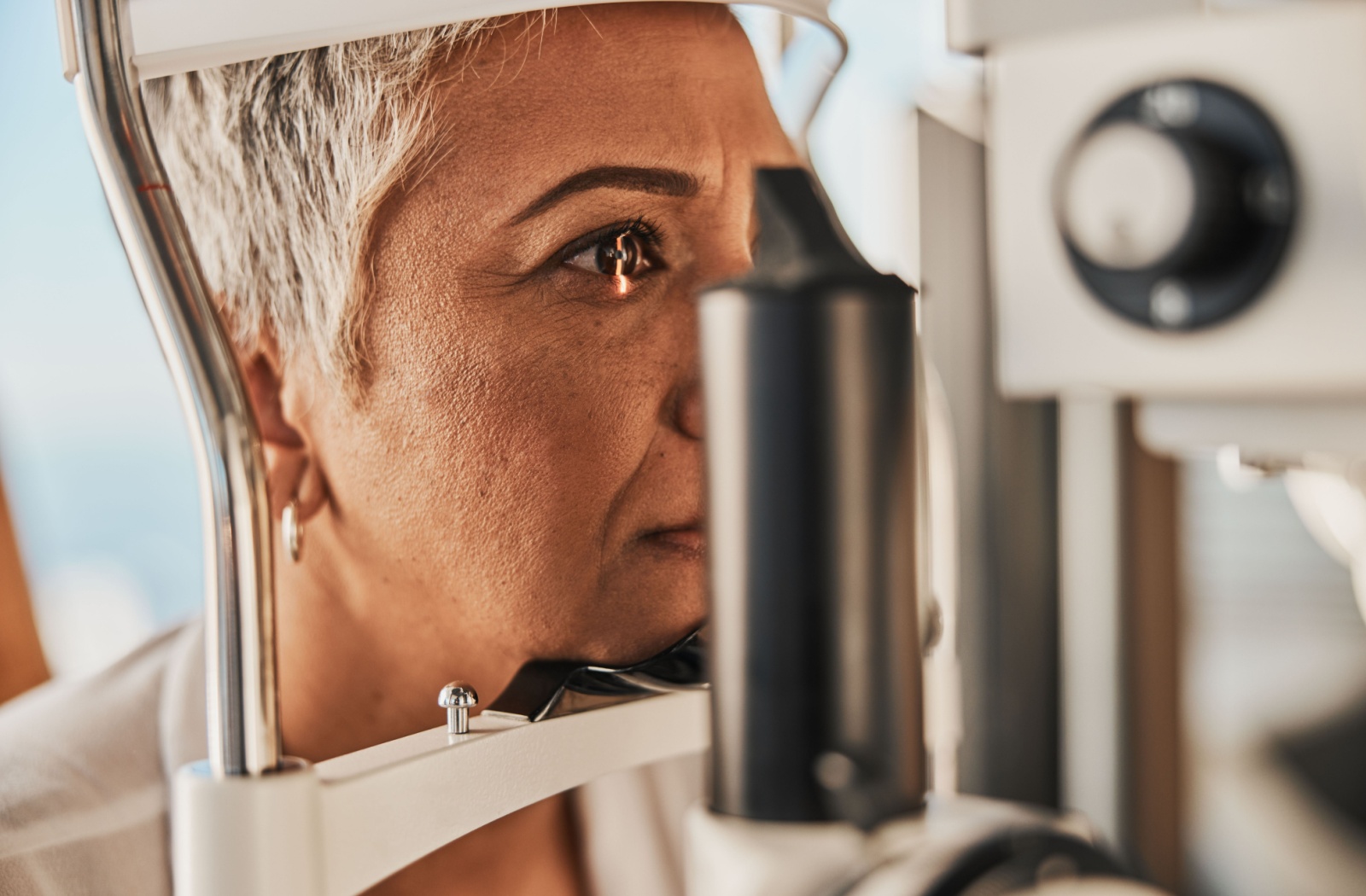
Because glaucoma usually doesn’t show any symptoms at first, it’s essential to regularly schedule comprehensive eye exams with your optometrist. This gives them a chance to thoroughly inspect your eye to determine whether or not you’re at risk of developing conditions like glaucoma.
During the exam, your optometrist will perform a series of tests, each with its own purpose. For glaucoma, you’ll likely undergo:
- A visual field test to measure your peripheral vision and check for any abnormalities
- A tonometry test, which measures your intraocular pressure
These can help your optometrist determine whether you’re at risk of glaucoma. If you are, it’s easier to treat in the early stages. This can help preserve more of your vision in the long term and slow, if not stop, glaucoma’s progression.
What to Do if You’re Worried About Glaucoma
If you’re worried about glaucoma, contact our team at The Eye Gallery. We can perform a comprehensive eye exam and test you for glaucoma—and plenty of other conditions—to help keep your eyes and vision strong. Don’t let glaucoma steal your sight; book an appointment with us today!