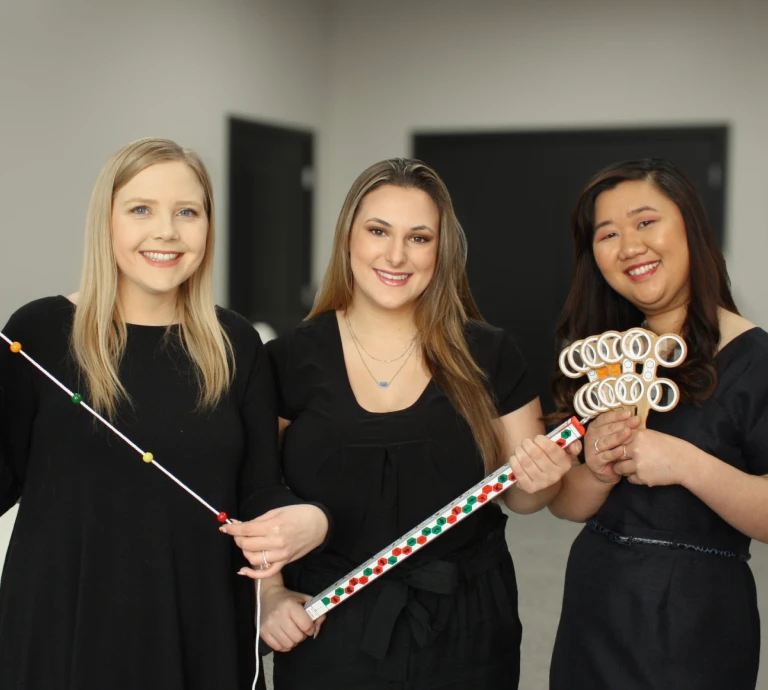

Improve Your Sight with Vision Therapy
It’s easy to take your vision for granted. Most of us are lucky, enjoying eyesight that works without thinking of it. But in reality, your eyesight is incredibly complex.
To see properly, the brain and eyes have to work together perfectly. A variety of skills make up the visual system, and if something is out of sync, your sight can suffer. You may experience frequent headaches, double vision, eye strain, difficulty reading, poor hand-eye coordination, and more.
If you’re experiencing vision issues, having a comprehensive eye exam that checks for more than your visual acuity can make a world of difference. If you suspect that you may need vision therapy, book a comprehensive eye exam with Dr. Nola.
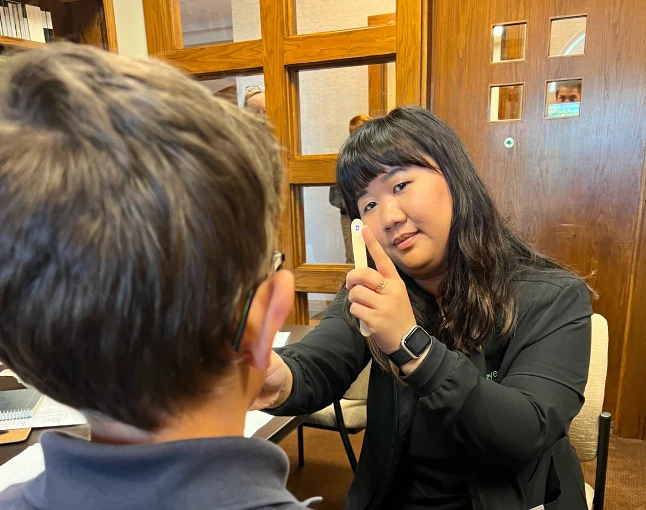
What Is Vision Therapy?
Vision therapy uses methods, including exercises, tools, and technology, to correct or improve the way your visual system functions. There are 17 visual skills that make up your visual system, and if these skills aren’t properly developed, they can affect your sight.
Vision therapy consists of a series of eye exercises in combination with therapeutic lenses, prisms, patches, colored filters, and other tools to train your visual system to perform more effectively and efficiently.
The best news? Vision therapy can benefit people of all ages! It’s never too late to achieve better eyesight through vision therapy.
Did You Know?
One out of four children struggles with reading and learning unnecessarily due to undiagnosed vision problems. In addition, approximately 60% of “problem learners” have undiagnosed vision problems contributing to their difficulties.
What Conditions Can Vision Therapy Treat?
There are a variety of situations in which vision therapy can be helpful. It can help improve hand-eye coordination, visual awareness, and improve your athletic performance. Vision therapy can also help people who read below grade level, have learning difficulties, or have special needs.
Vision therapy can also be used as a treatment for certain health conditions. Common conditions that vision therapy can treat include convergence insufficiency, amblyopia (lazy eye), strabismus (crossed eyes), and vision problems resulting from a concussion or brain injury.
Learn more about how vision therapy can help improve these conditions.
Convergence is the coordinated movement and focus of our two eyes inward on close objects. This is a vital skill for viewing phones, tablets, computers, and books comfortably.
Convergence insufficiency is a common problem with the development of these skills. It occurs when the eyes do not come together efficiently and effectively while looking at near objects, and symptoms may develop, such as eye strain, headaches, double vision, difficulty reading and concentrating, avoidance of near work, poor sports performance, and dizziness or motion sickness.
The American Optometric Association and the 2008 Convergence Insufficiency Treatment Trial clearly support the superiority of office-based vision therapy for the treatment of convergence insufficiency.
Strabismus (crossed eyes) and amblyopia (lazy eye) are eye conditions that typically develop during childhood.
Strabismus is caused by eye misalignment. This misalignment can affect the quality of your vision. Vision therapy can help train the brain and nervous system to better control the eye muscles.
Amblyopia occurs when there is a breakdown in how the brain and one eye work together. Over time, the brain relies more and more on the other, stronger eye, and the weak eye continues to worsen. Vision therapy uses prescription eyeglasses, patching, and vision exercises to strengthen the connection between the brain and the weaker eye.
Brain injuries and concussions can lead to a variety of vision problems. If you’ve suffered from a brain injury or concussion, you might find it difficult to read, write, or perform other daily tasks.
Studies show that 90% of Traumatic Brain Injury patients suffer from Visual Dysfunctions such as blurred vision, sensitivity to light, reduction or loss of visual field, headaches with visual tasks, reading difficulty, poor visual attention, and difficulties with eye movements.
Vision therapy and rehabilitation can help you recover these visual abilities.
Eye Connect Vision Therapy
Eye Connect Vision Therapy is our dedicated vision therapy clinic located next door, in Suite B. The clinic assists with a variety of visual conditions, from vision development support for children to brain injury recovery for adults. We use exercises, tools, technology, and special eyewear to help retrain vision. To determine if vision therapy is right for you or your child, we ask that you book an eye exam with Dr. Nola.
Dr. Nola works with both The Eye Gallery and Eye Connect Vision Therapy, where she uses her skills in pediatrics and vision therapy to assess visual function and provide vision therapy, alongside our other vision therapists. Dr. Nola is designated as a Fellow of the Optometric Vision Development & Rehabilitation Association (FOVDRA) and has completed fellowships with the College of Optometrists in Vision Development and the American Academy of Optometry.
See Better, Live Better
At The Eye Gallery, we take the time to understand what’s causing your poor vision and will customize a treatment plan based on your needs. A personalized plan can help you develop and improve visual skills to obtain the most comfortable and efficient vision possible.
Vision therapy is a powerful tool to help you see clearly, efficiently, and effectively. Book an appointment today for a comprehensive eye exam with Dr. Nola to find out if vision therapy may benefit you or your child.

What We Do
Our Services




Our Featured Eyewear Lines









Visit Our Location in Wichita
Our Address
Contact Information
- Phone: 316-315-0321
- Email: info@eyegalleryks.com
Hours of Operation

Kind Words
Patient Testimonials
test
Test
test
test
test
test
Our Google Reviews